H-2A Seasonal Farm Labor: Temporary Need, Housing and Wages
The H-2A category is not a visa an employer applies for so much as a labor standard it agrees to live under. Certification comes first, the petition second, and the obligations that follow bind the farm for the whole contract period.
What this report covers
- The need must be temporary or seasonal; the character of the job, not the worker, decides eligibility.
- Labor certification from the Department of Labor precedes the immigration petition and cannot be skipped.
- The employer must supply inspected housing and daily transportation at no cost to the worker.
- A three-quarters guarantee requires payment for a set proportion of the contract's offered hours.
- Domestic workers doing the same work must receive the same terms as the imported workers.
- Status is tied to the certified employer, and unauthorized work carries consequences no state labor rule would produce.
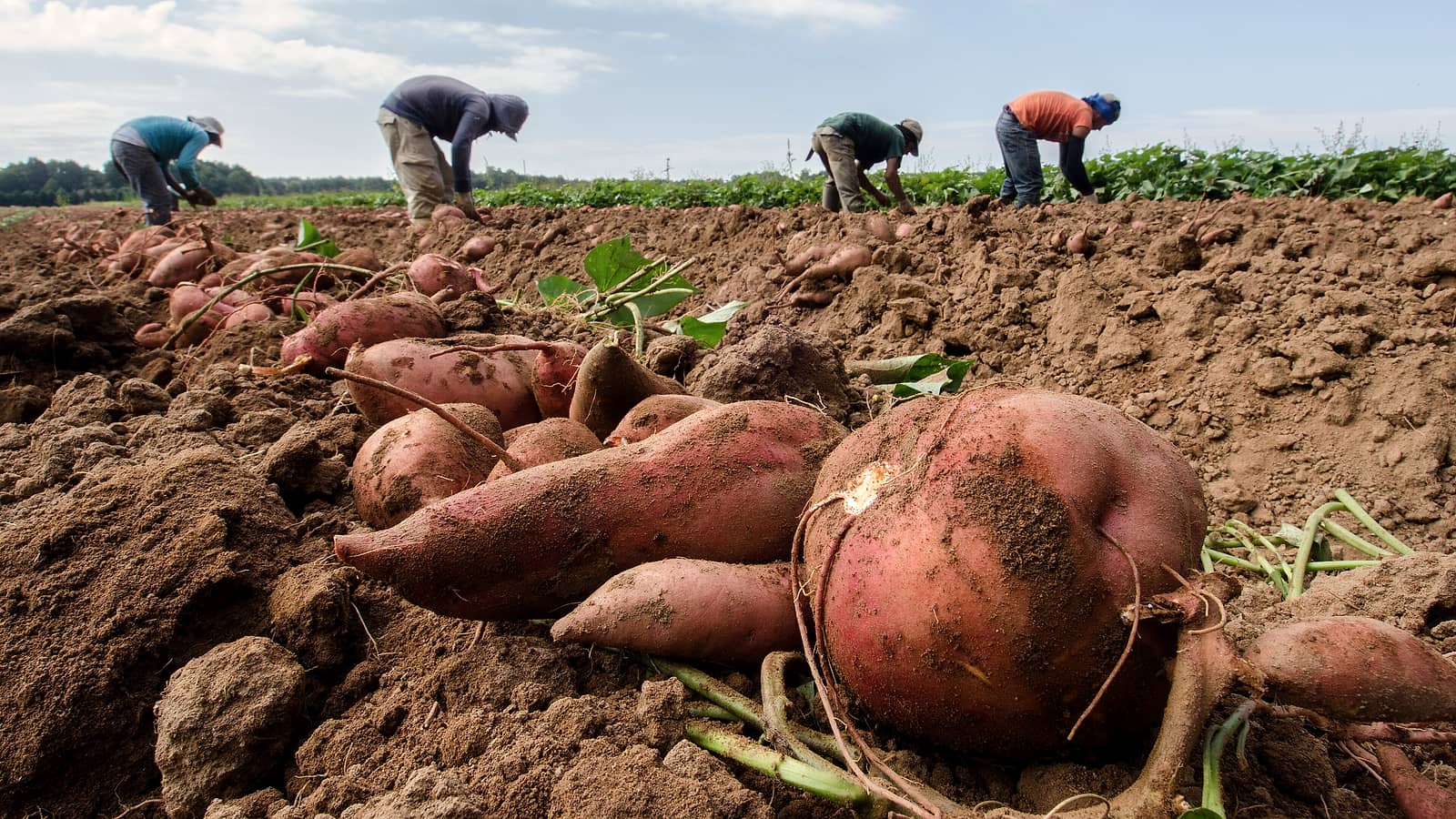
The H-2A category exists because a crop does not wait. It lets an agricultural employer bring in foreign workers for work that is temporary or seasonal, but only after a federal agency has certified that domestic workers are not available and that the terms offered will not depress the local market.
What temporary or seasonal has to mean
The threshold question is about the nature of the need, not the nature of the worker. The job must be tied to a season, or otherwise have a defined beginning and end, ordinarily inside a period shorter than a year. Planting, cultivating, harvesting and packing at the farm fit comfortably. Year-round dairy and livestock operations generally do not, because the need never stops, and employers in those sectors are routinely denied on that ground alone.
Two qualifications matter. Sheep and goat herding and open range livestock production run under separate provisions with substantially longer authorized periods, because the work is continuous but still seasonal in character. And a need that recurs every year is still temporary: recurrence does not convert a seasonal job into a permanent one.
Three agencies, in sequence
Nothing about this category can be done in one filing. The order is fixed, and each step depends on the last:
- State workforce agency and the Department of Labor. The employer lodges an agricultural job order and an application for temporary labor certification, describing the crop, the worksites, the period, the hours, the wage, the housing and every deduction.
- Recruitment. The job order circulates, positive recruitment is conducted, and the employer reports the results.
- USCIS. With the granted certification, the employer files the petition for the named or unnamed workers.
- Consulate. Each worker applies abroad, is interviewed, and is issued the visa.
- Customs and Border Protection. Admission is a separate decision made at the port of entry, recorded on the arrival record.
An error introduced at the certification stage is expensive to unwind, because the petition can only reflect what was certified and the visa can only reflect the petition. Where the need is arguably year-round, where a prior application was denied, or where the worksites span counties with different prevailing rates, how the job is described is a judgment call rather than a form-filling exercise, and it is the point at which employers most often bring in an employment-based immigration counsel rather than proceeding alone. The same discipline applies to timing: file too late and the certification arrives after the crop.
What the employer guarantees
Certification is conditional on a set of terms that become contractual once workers arrive. They run to the whole crew, not only to the imported workers.
| Obligation | What it means in practice |
|---|---|
| Wage floor | The highest of the adverse effect wage rate, the prevailing rate, any collective rate, and the applicable minimum wage |
| Housing | Provided at no charge to the worker, meeting federal or state standards, and inspected before occupancy |
| Meals or kitchens | Either cooking facilities or three meals a day at a regulated maximum charge |
| Transportation | Inbound and return travel and subsistence on conditions, plus daily transport to the worksite |
| Hours guarantee | Payment for at least three quarters of the workdays in the contract period |
| Tools and equipment | Supplied without cost or deposit |
| Injury coverage | Workers' compensation or an approved equivalent, in states that exempt agriculture |
| Records | Hours offered and worked, earnings statements each pay period, and retention for inspection |
Deductions are the commonest source of a violation. Anything that pushes effective pay below the required rate — recruitment fees charged abroad, charges for tools, transport billed back to the worker — is treated as an underpayment regardless of whether the worker agreed to it. The same principle governs household staff brought in on diplomatic visas, where the written contract is the enforcement instrument.
The three-quarters guarantee is computed against the workdays actually offered across the contract period, so an employer that shuts down for weather still owes the shortfall. Contemporaneous records of hours offered and hours refused are the only defense to a later claim.
The preference for domestic workers
The category is built around a preference that operates throughout, not just at filing. The employer must conduct positive recruitment, must hire any qualified domestic worker who applies until a defined point roughly halfway through the contract period, and must not displace domestic workers in the period surrounding the certified dates.
The obligation has teeth because the enforcement agency is not the one that granted the certification. Wage and hour investigators can assess back wages and civil money penalties and can seek debarment from the program, which removes the employer's access to the category for years. That separation between granting agency and enforcing agency is a recurring feature of employment-based immigration, and it appears again in the nonagricultural seasonal category, where the same department certifies and polices a numerically limited program.
What the worker actually holds
The worker holds status tied to one employer and one certified job. It is not a general work permit. Admission is for the certified period plus a short additional span before and after, and the authorized stay ends when the contract ends, whatever the visa stamp says. Extensions, and moves to a second certified employer, are separate filings that must be approved before the work begins.
The consequences of drifting out of that structure are disproportionate to anything state employment law would impose. Working outside the certified job is unauthorized employment; remaining past the authorized period accrues unlawful presence, which can trigger bars on returning that last years and which are not cured by simply leaving. Workers who change address during the season also sit under the general reporting duty that applies to non-citizens, a small obligation with outsized consequences when a later application asks whether every requirement of status was met. Safety duties, by contrast, follow the ordinary pattern, and where a farm labor contractor supplies the crew, responsibility for conditions can rest with both entities at once.
Sources
- Cornell Legal Information Institute — 8 U.S.C. § 1188, Admission of Temporary H-2A Workers
The statutory certification requirement and its conditions.
- Cornell Legal Information Institute — 8 U.S.C. § 1101(a)(15)(H)
The definition of the temporary worker classifications.
- eCFR — 20 CFR Part 655, Temporary Employment of Foreign Workers
Subpart B sets the H-2A job order, recruitment and certification rules.
- eCFR — 29 CFR Part 501, Enforcement of Contractual Obligations
How the Wage and Hour Division enforces H-2A contract terms.
- USCIS — H-2A Temporary Agricultural Workers
Petition requirements, eligible countries and periods of stay.
- U.S. Department of Labor — H-2A Temporary Agricultural Program
Where the current adverse effect wage rates and forms are published.
Questions readers ask
Can an H-2A worker move to a different farm?
Only to another employer with its own approved certification and petition covering that worker, and the transfer has to be filed. H-2A status is employer-specific: it is permission to work for the named petitioner on the certified job order, not a general work authorization. Leaving the certified job without a new petition ends the lawful basis for the stay, and continuing to work elsewhere is unauthorized employment.
Does the wage floor change during the contract?
It can. The offered wage is the highest of the applicable adverse effect wage rate, the prevailing rate for the crop and area, any collective bargaining rate, and the federal or state minimum. When the adverse effect rate for the state is updated during a contract, employers are generally required to pay the higher figure from the effective point forward. The current rates are published by the Department of Labor rather than fixed in the regulation.
Are domestic workers on the same crew entitled to anything?
Yes. Workers in corresponding employment, meaning domestic workers performing work covered by the same job order, must receive the same required wages, benefits and working conditions as the H-2A workers. That includes the guaranteed proportion of contract hours and reimbursement of qualifying travel. The rule exists so that importing workers cannot be used to hold down the terms offered to the domestic workforce.