Utility Line Locates and Damage From Digging
The buried line has no visible owner and no fence, and it is protected by a statute that puts the entire burden on whoever puts a blade in the ground. Liability for a strike turns almost entirely on paperwork created before the digging started.
What this report covers
- Notice to the one-call center is mandatory before nearly all excavation, with narrow exceptions.
- The waiting period runs in business days and marks expire, requiring a fresh ticket.
- Within a tolerance zone either side of a mark, mechanical excavation is prohibited.
- Color coded marks identify the type of facility but not its depth, which is never guaranteed.
- An excavator who digs without a valid ticket generally bears the whole cost of a strike.
- Private lines beyond the meter are usually not located by the utility and must be found privately.
Almost every parcel in the country has something buried under it that belongs to someone else. The legal system's answer to that fact is a notification statute, and it is unusually unforgiving: it does not ask whether the excavator was careful, it asks whether the excavator called.
Who has to give notice, and for what work
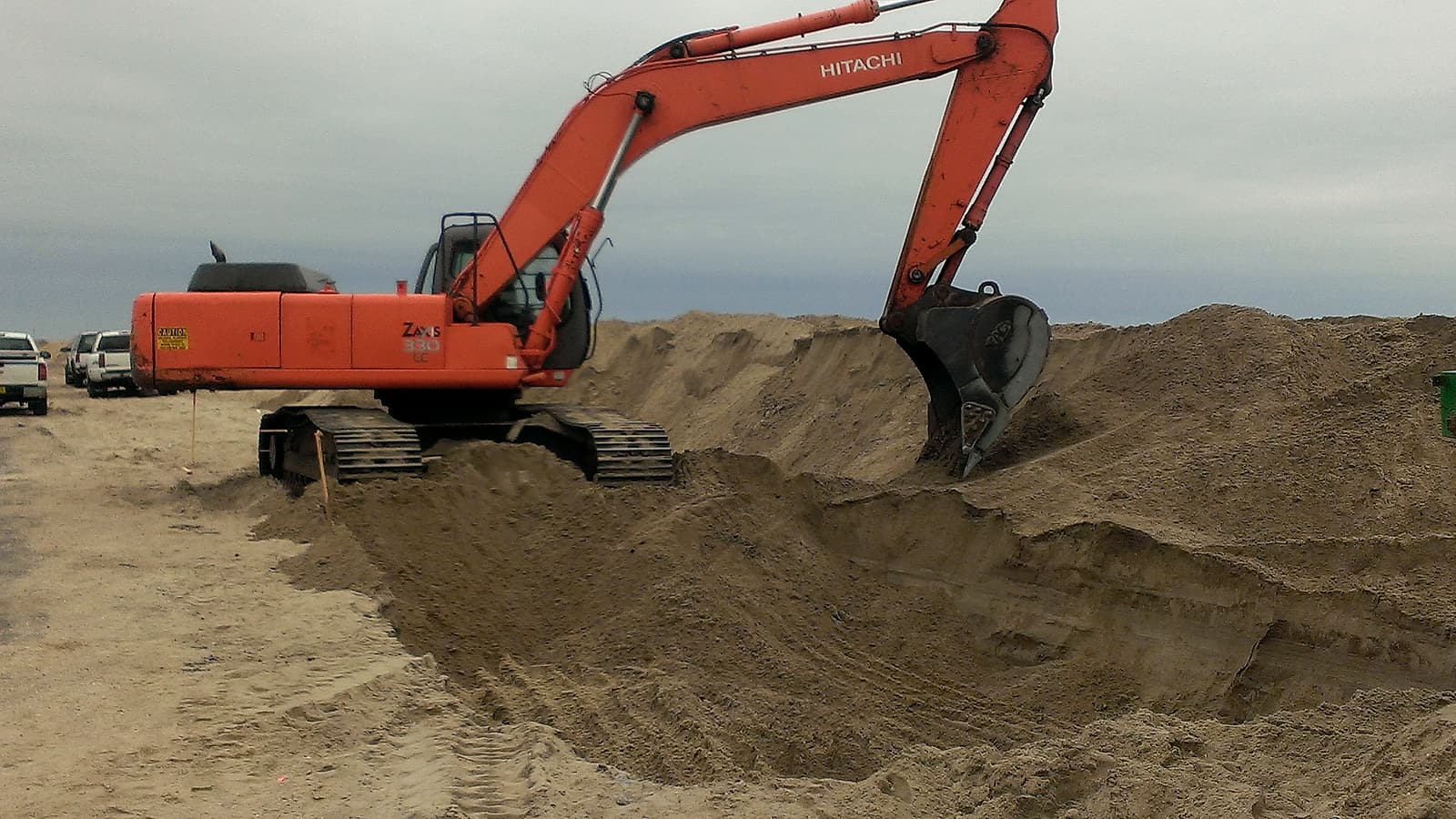
Every state operates a one-call notification center reachable through a common national number, and every state requires notice before excavation. The duty attaches to the person who excavates, which includes a homeowner with a spade as readily as a contractor with a backhoe.
The threshold is defined by the activity, not the actor. Work that requires notice typically includes:
- Trenching, boring, augering, driving posts, stakes or rods into the ground.
- Grading, scraping and stump removal.
- Demolition and foundation work.
- Fence installation, deck footings and landscape planting beyond a shallow depth.
- Driveway excavation and drainage work.
Exemptions are narrow and are routinely misread. Agricultural tilling to a shallow depth, and in some states hand gardening measured in a few inches, are the usual carve-outs. The absence of a general residential exemption surprises homeowners, and it is the reason many strikes are uninsured personal liabilities rather than contractor claims.
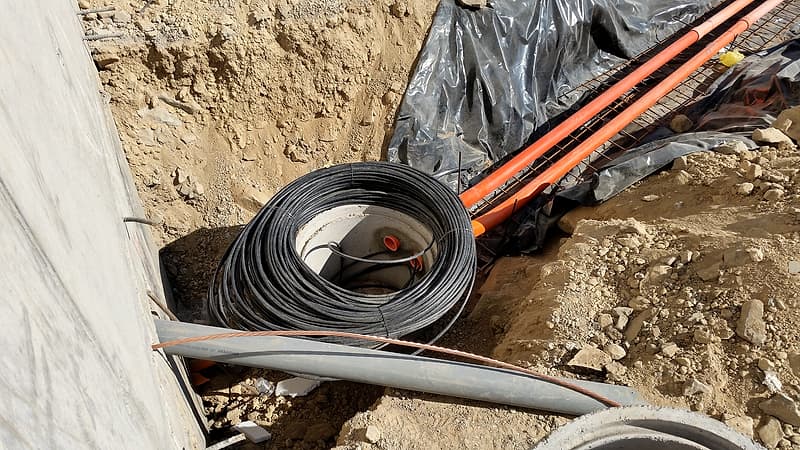
Locate marks show horizontal position within a tolerance and nothing else. Cover varies with regrading, erosion and original installation practice, so a line believed to be several feet down can sit inches below the surface.
The ticket, the wait and the tolerance zone
Notice produces a ticket, and the ticket governs the work. Its three operative features are a waiting period before digging may begin, an expiry after which the marks are no longer valid, and a tolerance zone around each mark within which machinery may not be used.
| Element | Typical rule | Common failure |
|---|---|---|
| Advance notice | Two to three business days before excavation | Counting weekends and holidays as business days |
| Ticket life | Marks valid for a stated number of days, then void | Digging on a stale ticket after a delay |
| Tolerance zone | A defined distance either side of the mark, hand-dig only | Using a machine right up to the paint |
| Positive response | Each operator must respond clear or marked before work starts | Digging when one operator has not answered |
| Marking | Uniform color code by facility type, flags and paint | Removing marks during site preparation |
| Private facilities | Lines beyond the meter are the owner's responsibility | Assuming the utility located everything |
Private facilities deserve emphasis. The utility locates what it owns, which typically stops at the meter or the property line. A gas run to a detached garage, a septic pump feed, an irrigation main or low-voltage lighting is the owner's line, and finding it requires a private locating service. A strike on a private line is nobody's fault but the excavator's and the owner's.
Who pays when something is hit
Liability allocation is mechanical, which is what makes the statutes effective.
- No ticket, or an expired one. The excavator bears repair cost, the operator's restoration expense, and typically the losses of customers left without service. Civil penalties may follow.
- Valid ticket, marks respected, facility mismarked or unmarked. Responsibility shifts to the operator or its locating contractor.
- Valid ticket, machinery used inside the tolerance zone. Back to the excavator, because the protection was forfeited.
- Facility installed contrary to record. Frequently apportioned, with the operator bearing part of the loss.
Contractual allocation sits on top of this. A construction subcontract will normally make the excavating trade responsible for obtaining tickets and for any damage, and general liability policies frequently exclude or sublimit underground property damage, so a strike can fall outside the coverage the parties assumed applied. Homeowners hiring a landscaper or fence installer should confirm in writing who is pulling the ticket, because the statutory duty follows the person who digs regardless of what the invoice says.
The exposure is much larger than the physical repair. Severing a fiber trunk or a feeder can interrupt service to thousands of customers, and operators pursue those losses. That is also why an outage caused by a dig-in is charged to the excavator rather than absorbed by the utility, a distinction affected customers rarely notice.
Where the lines sit, and what that means for the owner
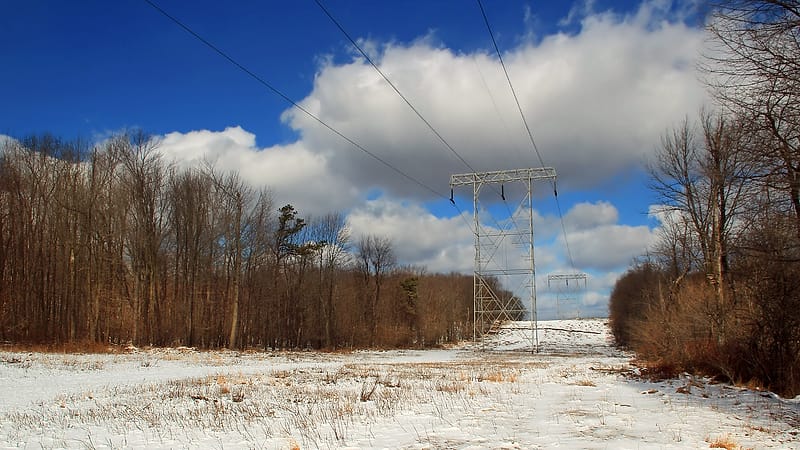
Most buried facilities cross private land under a recorded easement, which gives the operator a right of access and a right to keep the corridor clear. An owner cannot lawfully obstruct it, and structures placed over a line are commonly required to be removed at the owner's cost. The same instrument governs what may be cut or cleared above ground, and it is worth reading before planning any improvement near a corridor.
Two practical consequences follow for anyone building. Setting footings or a retaining wall near an easement should begin with the recorded instrument rather than with the survey stakes, because the easement width is often wider than the visible corridor and the question quickly becomes an encroachment problem rather than a utility one. And the excavation ticket should be pulled by whoever actually digs, not by whoever holds the permit — an owner acting as their own builder carries the excavator's duty personally, along with everything that follows from breaching it.
Sources
- Cornell Legal Information Institute — 49 U.S.C. 60134, State Damage Prevention Programs
The federal grant framework encouraging effective state one-call enforcement.
- Cornell Legal Information Institute — 49 U.S.C. 60114, One-Call Notification Systems
The statutory requirement for one-call systems and excavator notice.
- eCFR — 49 CFR Part 198, State Pipeline Safety Grants and Damage Prevention
Federal criteria for state excavation damage prevention programs.
- eCFR — 49 CFR Part 192, Transportation of Natural Gas by Pipeline
Operator obligations for marking, patrolling and protecting buried gas facilities.
- Cornell Legal Information Institute — Negligence
The general standard applied where a statutory duty to notify was breached.
- Cornell Legal Information Institute — Easement
The property interest under which most buried facilities occupy private land.
Questions readers ask
Does a homeowner planting a tree really have to call?
In most states, yes. One-call statutes apply to any person who excavates, and the residential exemptions that exist are narrow — typically shallow tilling of soil for agriculture or gardening, measured in inches. Planting a tree, setting fence posts, installing a mailbox and trenching for irrigation all clear the threshold. The call is free, and doing it converts an uninsurable personal liability into a documented compliance record.
The line was hit even though I dug where there were no marks. Who pays?
If you held a valid ticket, dug within its period, respected the tolerance zone, and the facility was unmarked or mismarked, liability generally shifts to the operator or the locating contractor. That defense depends on evidence: the ticket number, dated photographs of the marks as they existed, and the notification center's record of which operators responded. Without those, the excavator is usually presumed at fault.
What has to happen the moment a line is struck?
Stop work and call the facility operator immediately, and call emergency services if gas is escaping or a power conductor is involved. Do not attempt repair, do not backfill, and do not move the damaged section. Statutes require prompt notification of any damage, including a dent, gouge or scrape that did not cause a leak, because unreported minor damage is a leading cause of later failure and greatly increases exposure.